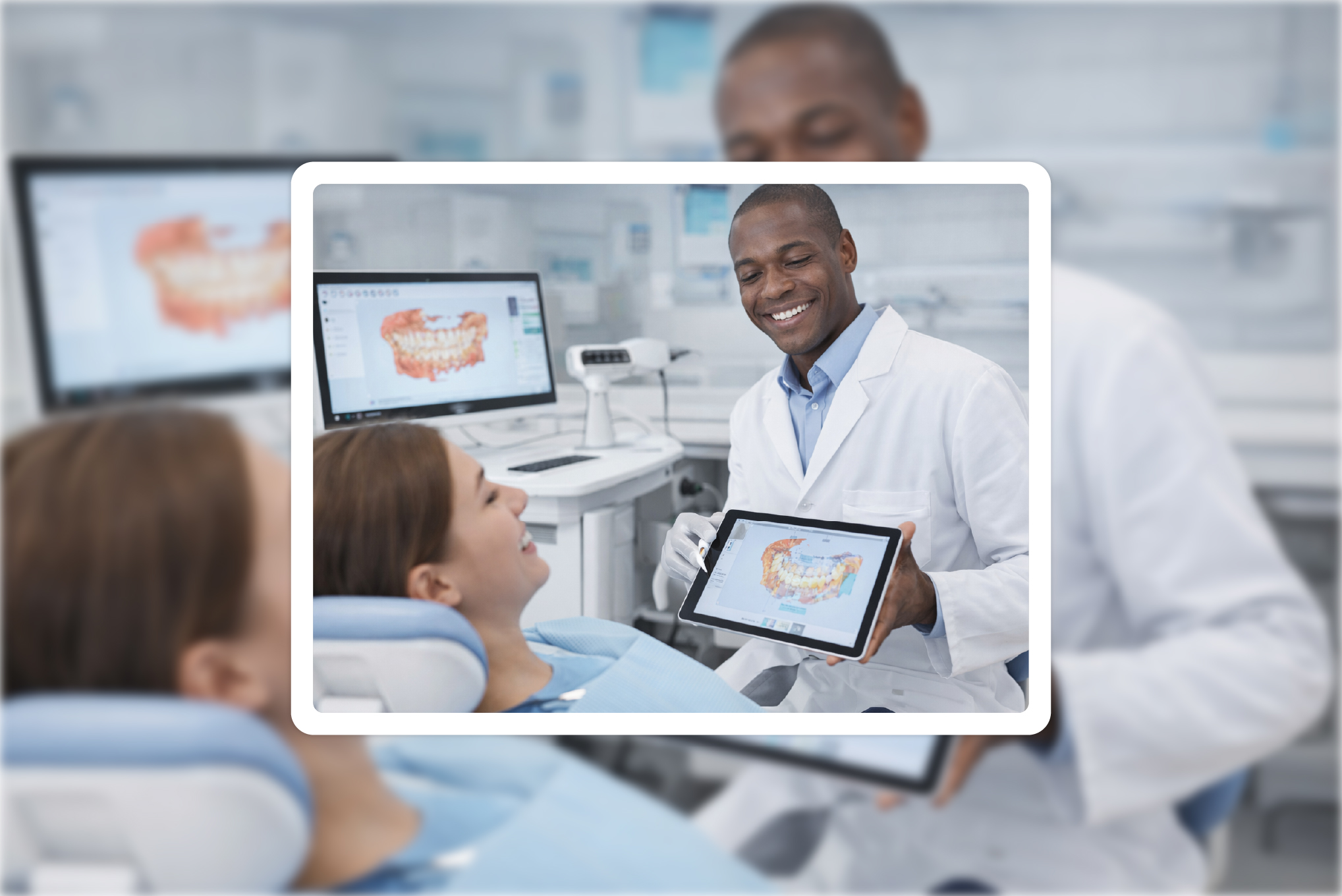
If you have not been to the dentist in a few years, you might be surprised by how much has changed. Today’s best dental visits are faster, more precise, and easier on patients because modern practices rely on digital tools that improve diagnosis, planning, comfort, and communication.
At Trident Smiles Dental in Sunnyvale, technology is not just “nice to have.” It is part of how we deliver care that feels clear, conservative, and predictable. From digital scans that replace messy impressions to advanced imaging that helps us plan complex cases safely, modern tools help us do two things patients actually care about:
- Help you understand what is happening
- Deliver results with fewer surprises
Below is a practical, patient-friendly guide to the types of dental technology you may see at Trident and how each one can improve your experience.
Why Dental Technology Matters For Your Health And Your Time
Better technology is not about flashy gadgets. It is about solving common dental frustrations:
- “I do not know why I need this treatment.”
- “I hate impressions.”
- “I am worried about pain or sensitivity.”
- “I want an outcome I can trust, especially for cosmetic work.”
- “I do not want multiple trips if one will do.”
- “I want to see the cost and timeline before we start.”
Modern dental tools make it easier to diagnose early, plan precisely, and communicate clearly. That often leads to more conservative treatment, smoother appointments, and a better overall experience.
Digital X-Rays That Improve Clarity With Lower Dose Imaging
Digital X-rays have been a major upgrade from older film systems. They allow for faster imaging, improved visibility, and easier storage and sharing when needed.
What Digital X-Rays Help With
- Detecting cavities between teeth
- Monitoring existing fillings and crowns
- Evaluating bone levels and gum health
- Checking infection or inflammation near tooth roots
Why Patients Like Them
- Faster process, no film developing
- Clearer images that can be enlarged on screen
- Easier to explain findings in real time
If you have ever been told “you have a cavity” without seeing what the provider sees, digital X-rays help close that gap. We can show you the image, point to the exact area, and explain what it means.
Intraoral Cameras That Let You See What Your Dentist Sees
An intraoral camera is a small camera that takes high-resolution photos inside your mouth. It is one of the simplest technologies, and one of the most helpful for trust and clarity.
What Intraoral Cameras Are Used For
- Showing cracks, worn edges, and leaking fillings
- Documenting gum inflammation or recession
- Helping you understand cosmetic options for shape and symmetry
- Tracking changes over time
When you can actually see a chipped edge or an old filling on a screen, decisions feel less confusing. It turns “trust me” into “I get it.”
Digital Impressions That Replace Messy Putty Molds
Traditional impressions can be uncomfortable. They can also introduce small inaccuracies, especially if a patient gags, moves, or the material distorts.
Digital impressions use an intraoral scanner to capture a 3D model of your teeth without the mess.
What Digital Scans Improve
- Comfort, especially for patients with gag reflex
- Precision for crowns, bridges, and some veneers
- Speed for planning Invisalign and cosmetic cases
- Communication, because you can view the scan immediately
What You Experience As A Patient
- A wand-like scanner moves around your teeth
- The 3D model builds on screen as we scan
- If we miss an area, we rescan that spot, not the whole impression
Digital scanning is one of the biggest upgrades in modern dentistry because it improves both comfort and accuracy at the same time.
3D Imaging And CBCT When More Detail Is Needed
Some cases require more than standard X-rays. When we need a deeper look, 3D imaging can provide a detailed view of teeth, roots, nerves, and bone structure.
This is commonly used when planning procedures where safety and precision matter most, such as implants, complex extractions, or certain root canal evaluations.
When 3D Imaging Can Be Helpful
- Implant planning and bone assessment
- Evaluating impacted teeth
- Investigating persistent pain with unclear cause
- Mapping anatomy near nerves and sinuses
Why It Matters
3D imaging helps your dentist plan with more confidence and reduce surprises during treatment. It can also support more conservative care by clarifying what is actually needed, instead of guessing.
Digital Treatment Planning For Invisalign And Cosmetic Dentistry
Cosmetic dentistry is all about details. Small changes in tooth position, shape, and proportion can dramatically affect your smile. Digital planning tools allow you to preview and compare options before committing.
Invisalign Planning Benefits
- Visualizing tooth movement and the expected end result
- Identifying whether minor alignment can reduce the need for veneers
- Supporting a conservative approach that preserves tooth structure
Cosmetic Planning Benefits
- Comparing edge bonding vs veneers
- Deciding how many teeth to include for symmetry
- Coordinating whitening shade with future restorations
Technology does not replace clinical skill, but it can make the planning phase more transparent so you feel confident about what you are choosing.
Modern Shade Matching For More Natural Cosmetic Results
If you are considering bonding or veneers, shade matching matters. Modern shade selection tools and consistent photo documentation can improve predictability.
Why Shade Matching Technology Helps
- More accurate color selection under consistent lighting
- Better blending for bonding or veneer work
- Clearer communication about the look you want
Patients often want results that look bright but not fake. Better shade planning supports a natural, confident smile that fits your face.
CAD CAM And Modern Lab Collaboration For Better Fit And Fewer Remakes
Many practices now use a digital workflow for crowns, bridges, and some cosmetic restorations. That may include scanning, digital design, and modern manufacturing methods through a trusted dental lab.
What A Modern Digital Workflow Supports
- Improved fit and bite accuracy
- Cleaner margins for crown longevity
- Reduced risk of remakes due to impression distortion
- Streamlined communication between the dentist and lab
For patients, the real benefit is simple: restorations that feel right sooner and require fewer adjustments.
Comfort Focused Technology That Can Reduce Stress
Technology should also improve comfort and reduce anxiety, especially if you have had tough dental experiences in the past.
Comfort Improvements You May Notice
- Faster imaging and shorter chair time
- Less invasive diagnostics when issues are caught early
- Better topical and local anesthetic techniques supported by precise planning
- Clearer expectations so you feel in control
Even small upgrades in workflow can change how a visit feels. When appointments are more efficient and explanations are more visual, stress often drops naturally.
Predictable Scheduling And Communication Tools That Keep You On Track
Not all dental technology is clinical. Patient communication tools can make care feel easier and more organized.
Helpful Modern Practice Features
- Online appointment requests
- Text or email reminders
- Digital forms that reduce time in the waiting room
- Clear post-visit instructions for home care
These tools matter because missed appointments and unclear instructions can lead to delayed treatment, discomfort, and avoidable costs.
Transparent Pricing Tools And Digital Case Presentations
Patients want clear numbers. Modern case presentation tools and digital treatment plans help explain both the clinical steps and the financial plan.
At Trident Smiles Dental in Sunnyvale, transparency means:
- Written estimates before treatment
- Line items that explain what is included
- Side-by-side options when multiple approaches can work
- Updated estimates if the plan changes
Technology supports this by making it easier to document, present, and update treatment plans clearly.
How Technology Supports Conservative Dentistry
One of the best benefits of modern dentistry is that it often supports doing less, not more.
Conservative Dentistry Looks Like
- Catching small issues early with better imaging
- Using Invisalign to reduce aggressive cosmetic prep
- Choosing bonding where it makes sense before veneers
- Planning restorations with precision to preserve healthy tooth structure
When we can see more clearly and plan more precisely, treatment can be more targeted and less invasive.
What To Expect At Your First Visit At Trident Smiles Dental In Sunnyvale
Every patient is different, but a modern first visit often includes:
- Digital X-rays or imaging as needed
- Photos or intraoral camera images
- A clinical exam and gum evaluation
- A clear explanation of findings
- A written plan with options and timelines
- A conversation about budget, phasing, and financing if needed
The goal is to give you clarity, not pressure. Technology makes that easier by showing you what we see and documenting everything in a straightforward way.
FAQs
Do I need 3D imaging for every appointment?
No. Most routine visits do not require 3D imaging. It is typically used when additional detail is clinically helpful, such as implant planning or evaluating complex anatomy.
Are digital scans better than traditional impressions?
For many cases, yes. Digital scans can be more comfortable and can improve accuracy by reducing distortion that sometimes happens with traditional putty impressions.
Does newer technology mean higher costs?
Not necessarily. In many cases, technology supports efficiency and predictability, which can reduce remakes, reduce extra appointments, and help catch problems earlier.
Can technology help with dental anxiety?
Often, yes. Faster imaging, clearer explanations, and fewer surprises can make visits feel calmer and more manageable.
Will I see pricing before treatment starts?
You should. A transparent practice provides written estimates and clear options before proceeding, especially for cosmetic dentistry.


