If your dentist just told you that you need a "deep cleaning" instead of your usual cleaning, you probably have questions. Is it more painful? Why didn't you need one before? Is something wrong?
This is one of the most common points of confusion in dentistry, and it's a completely reasonable thing to want clarity on before your appointment.
Here's a clear breakdown of what separates a deep cleaning from a regular cleaning, why your dentist might recommend one, and what you can expect if you need one at Trident Smiles Dental in Sunnyvale.
What A Regular Cleaning Actually Involves
A regular cleaning, sometimes called a prophylaxis or routine cleaning, is the cleaning most people are familiar with. It's typically done every six months as part of preventive care.
What Happens During A Regular Cleaning
- Removal of plaque and tartar from the surface of the teeth
- Cleaning above and slightly below the gumline
- Polishing to remove surface stains
- A review of your overall oral health
What A Deep Cleaning Actually Involves
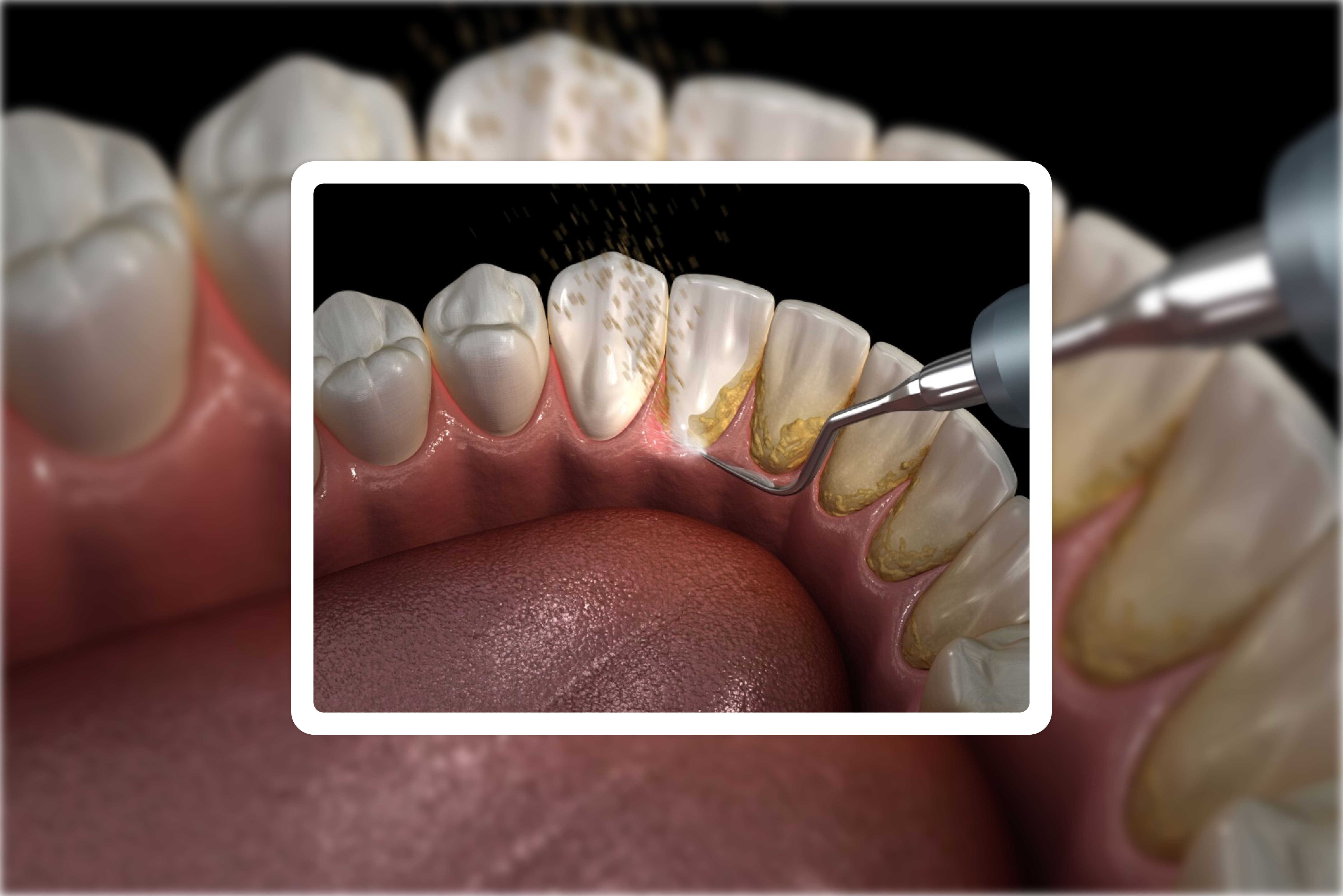
A deep cleaning, known clinically as scaling and root planing, is a more thorough procedure used when plaque and tartar have built up below the gumline, often as a result of early gum disease.
What Happens During A Deep Cleaning
- Scaling, which removes plaque and tartar from below the gumline
- Root planing, which smooths the tooth root to help gums reattach
- Numbing of the treatment area, since this process reaches deeper than a regular cleaning
- Sometimes more than one visit, depending on how much area needs treatment
Why Your Dentist Might Recommend A Deep Cleaning
Common Signs That Lead To This Recommendation
- Bleeding gums during brushing or flossing
- Gum pockets deeper than what's considered healthy
- Visible tartar buildup below the gumline
- Gum recession or bone loss seen on x-rays
- Persistent bad breath despite good home care
How To Tell The Two Apart Before Your Appointment
Questions Worth Asking Your Dentist
- What are my gum pocket measurements, and what's considered healthy?
- Is this localized to a few teeth, or is it throughout my mouth?
- Will I need more than one visit?
- What can I do at home to prevent this from progressing?
What To Expect If You Need A Deep Cleaning
During The Appointment
Most patients receive local anesthesia to numb the treatment area. Depending on buildup, treatment may be split across two visits, often one side of the mouth at a time.
After The Appointment
Mild soreness or sensitivity for a few days is common. Some patients notice slight gum recession as swelling goes down, which is a normal part of healing.
Why Deep Cleaning Matters For Long-Term Oral Health
Left untreated, early gum disease can progress to more advanced stages affecting the bone supporting your teeth. Regular cleanings remain important for maintaining results afterward.
FAQs
Does a deep cleaning hurt more than a regular cleaning?
Most patients receive numbing for the treated area, which helps manage discomfort. Mild soreness afterward is common but usually temporary.
Will my insurance cover a deep cleaning?
Coverage varies by plan. Our team can help you understand your benefits before your appointment.
How do I know if I need a deep cleaning instead of a regular one?
Your dentist determines this through a periodontal exam measuring gum pocket depth, along with visual signs and x-rays.
Can a deep cleaning be done in one visit?
It depends on how much of the mouth needs treatment. Many patients require two visits.
What happens if I skip a recommended deep cleaning?
Gum disease can progress without treatment. Your dentist can explain what's appropriate for your situation.


